
Five Worst Teen Driving Mistakes: Part Two
December 19, 2008
Most parents live in dread of the day their teens get driver’s licenses and get behind the wheel on their own. Their concerns are well-founded, since teen drivers have the highest death rates in car crashes of any age group. Motor vehicle crashes are the number one cause of death among Americans aged 15-20. But parents can help their teens be a safer driver even after they are licensed, particularly by paying attention to common risk factors. In this five-part series, we’ll discuss the five worst teen driving mistakes:
- They don’t wear safety belts.
- They drink and drive.
- They panic/overcorrect in emergency situations.
- They drive too fast for conditions.
- They ride with other teens.
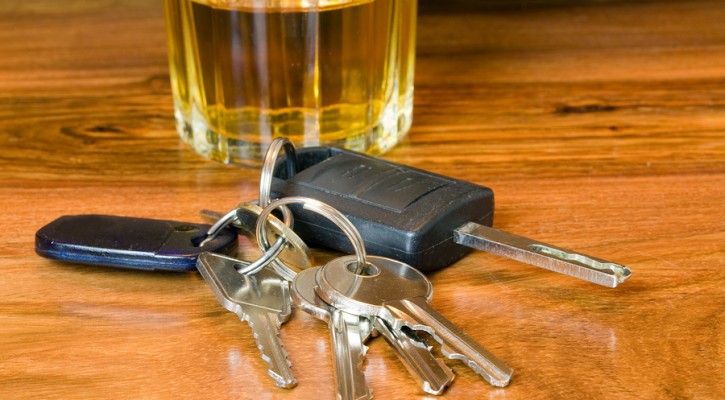
In this, part two of the series, we’ll discuss the risk teens take by driving after drinking alcohol. Teens are at far greater risk of death in an alcohol-related crash than the overall population, despite the fact they cannot legally purchase or publicly possess alcohol in any state. (National Highway Traffic Safety Administration)
Did you know?
- During 2006, 7,643 15- to 20-year-old drivers and motorcycle operators were involved in fatal traffic crashes across the nation, 1,377 (18 percent) of whom had a blood alcohol concentration (BAC) of .08 or higher.
- Nationally, 64 percent of all drivers or motorcycle operators ages 15 to 20 who were involved in fatal traffic crashes and had a BAC of .08 or higher died as a result of the crash.
- Violators of underage drinking laws often face a trip to jail, the loss of their driver’s license, and dozens of other unanticipated expenses including attorney fees, court costs, and other fines. Plus, there is the added embarrassment, humiliation, and potential loss and consequence related to academic eligibility, college acceptance, scholarship awards, and more.
- Most of those killed in alcohol-related crashes involving teen drivers are the young drivers themselves and their passengers.
All states now enforce a minimum drinking age of 21. Nevertheless, alcohol related crashes are still a top safety problem. Make sure your teen understands:
- Alcohol is not actually digested; it’s processed. It’s absorbed directly through the lining of the stomach into the bloodstream. This is why the body feels the effect so quickly.
- Alcohol has its first and greatest effect on the parts of the brain that control judgment and reasoning, the most critical skills needed by drivers. Physical abilities become impaired soon after.
- As more alcohol enters the bloodstream, the area of the brain that controls muscular movements and body control begins to slow down. Even after the driver recognizes danger, the brain takes longer than normal to process the information and react to the danger. Messages the brain sends to different parts of the body might become confused.
- A driver affected by alcohol has a decreased ability to reason clearly and to make sound judgments. However, the driver may feel as though thinking and judging abilities are sharper and quicker than usual.
- Alcohol quickly diminishes the ability to concentrate. A decrease in the ability to concentrate greatly increases a driver’s level of risk. A person’s driving ability can be reduced after only one drink.
- The muscular reactions of a driver who has been drinking can become slow and clumsy. Steering and braking movements can become uncoordinated. The driver might over-steer, brake late or not brake at all. The driver might not be able to negotiate turns properly and safely. Such actions cause drinking drivers to be involved in serious crashes.
Make sure your teen knows that she or he can always call you for a ride, whether the teen is intoxicated or is faced with the prospect of riding with a driver who has been drinking. Make a pact in which you promise to pick up your teen without questions or lectures. You can have a discussion about the issue the following day, when you are calmer and your teen is safe at home.